
Boiler Repair: The Most Common Causes of No-Heat in Wilmington, NC (And When to Call a Pro)
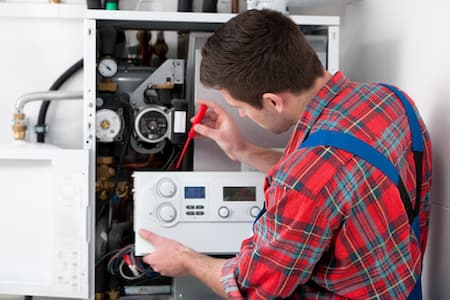
Waking up to cold radiators on a chilly coastal morning is stressful. If you need fast, reliable boiler repair in Wilmington, NC, this guide explains the no-heat issues we see most often across New Hanover County and when it is time to bring in a licensed HVAC pro. You will also find local insights for neighborhoods from the Historic District and Sunset Park to Ogden and Carolina Beach.
As a homeowner, your goal is simple: safe heat that comes on when you need it. The sections below break down pressure issues, pilot and ignition faults, and circulation problems in clear terms so you can decide the next step with confidence. For help anytime, call 910-477-2287 and our team at Spot On Air will get you on the schedule.
What No-Heat Looks Like in Wilmington Homes
No-heat does not always mean a quiet boiler. In older bungalows near downtown, you might hear the unit running but feel only lukewarm baseboards. In multi-story homes around Porters Neck or Masonboro, the first floor may warm up while upstairs stays cold. Some boilers short cycle, others lock out and flash error lights. A few smell “hot” or show minor leaks on the floor after a cold snap.
Our coastal climate adds a twist. Humid, salty air can corrode parts, and quick weather changes push equipment hard. Power blips during storms sometimes leave systems stuck until a professional resets safeties and checks controls.
Primary Causes Of No-Heat From Boilers
1) Pressure Problems That Trigger Safety Lockouts
Boilers rely on the right water pressure to circulate heat. If pressure drops too low or spikes too high, built-in safeties prevent firing to protect your home. In Wilmington, we often trace this to an expansion tank that has lost charge, a failing automatic fill valve, or a relief valve that has been weakened by years of opening during brief coastal cold snaps. You might notice a gauge sitting low, a frequent on-off cycle, or water marks near the relief line.
Water on the floor around the boiler is a warning sign and a reason to stop using the system until a licensed technician inspects it. Continued operation can lead to bigger failures and property damage.
2) Pilot and Ignition Issues
Older boilers may use a standing pilot that can blow out with strong downdrafts or after brief gas supply interruptions. Newer units use spark or hot-surface ignition with flame sensors that must confirm a clean, stable flame. Salt air and humidity near Wrightsville Beach and Carolina Beach can speed up corrosion on burners and sensors, leading to misfires or lockouts.
If you ever smell gas, leave the area and call your utility before anyone works on the system. Ignition faults need professional testing with proper tools to confirm safe operation.
3) Circulation Problems: Airlocks, Pumps, and Zone Valves
Even if the boiler fires, heat will not reach the rooms without steady circulation. After outages or maintenance, trapped air can collect in upstairs loops and long baseboard runs common in Historic Wilmington homes. Circulator pumps can also seize after sitting most of the year in our mild climate, and zone valves sometimes get stuck part-open, leaving some radiators cold and others hot.
Because these parts tie into sealed piping and safety controls, diagnosis should be handled by pros who can measure pump amperage, verify flow, and restore circulation safely.
4) Thermostat and Control Board Conflicts
Modern boilers coordinate signals from thermostats, outdoor sensors, low-water cutoffs, and high-limit controls. A weak transformer, loose low-voltage connection, or a misconfigured smart thermostat can interrupt the call for heat. The result looks like no-heat even when the system itself is healthy. Control checks and wiring verification are part of a professional diagnostic visit.
5) Venting and Condensate Trouble Near the Coast
High-efficiency condensing boilers create condensate that must drain freely. During rare freezes in Wilmington, outside runs can ice up overnight and clear the next day, which explains “mystery” no-heat that comes and goes. Salt corrosion around terminations can also trigger safety sensors. Proper slope, protection from wind, and corrosion-resistant components keep these systems reliable.
When To Call A Pro Right Away
Some problems can wait a day. Others cannot. Use these quick guides to protect your home and family.
- Shut it down and call now if you smell gas, hear loud banging from piping, see active leaking, or a carbon monoxide alarm sounds.
- Call promptly if the boiler cycles on and off every minute, the flame looks yellow or flickers, or the gauge shows repeated pressure drop.
Other situations are urgent but not emergencies:
- Some rooms never warm, baseboards gurgle, or you see error codes after a storm-related outage.
- Heat is unreliable during damp, windy weather on the beach side, or the system starts only after multiple resets.
Whenever heat is out and indoor temperatures fall quickly, especially with infants or older adults at home, it is wise to schedule professional service as soon as possible.
Why Boilers Struggle More Near Wilmington’s Coast
Humidity and salt increase oxidation on flame sensors, burners, and vent parts. Fine salt deposits can attract moisture that slows heat transfer, so burners run longer to reach temperature. Homes near the Intracoastal, Kure Beach, or along the Cape Fear River feel these effects most. Storm-driven power blips also leave control boards in fault until a safe reset and full sequence test are completed.
A coastal maintenance rhythm helps. Pairing a pre-season heating check with spring service makes sense here, because the equipment sits idle much of the year and our summers are hard on electronics.
What Spot On Air Checks During A No-Heat Visit
A thorough diagnostic saves time and prevents repeat callbacks. Here is the general flow our Wilmington techs follow:
We start with safety: verify gas supply, venting, low-water cutoff function, and that combustion air is clear. Next we confirm proper system pressure and a healthy expansion tank, then evaluate ignition and flame sensing. If the boiler fires but rooms stay cold, we measure circulator performance, test zone valves, and check for airbound loops on upper floors. Where water chemistry has been hard on components, we recommend corrections that protect the system long-term.
If you want to reduce surprise outages, regular hvac maintenance makes a noticeable difference in Wilmington’s salty, humid environment.
Pressure, Pilot/Ignition, And Circulation: Quick Local Examples
Pressure issues: After a sharp temperature drop, a homeowner in Sunset Park notices the boiler shutting off every hour. The gauge shows low pressure and there are dried streaks near the relief outlet. A technician finds an expansion tank that has lost charge and a relief valve weakened by repeated openings. Parts are replaced and the system is re-balanced.
Pilot/ignition: A cottage near Carolina Beach sees intermittent lockouts on windy nights. We find a corroded flame sensor and downdraft effects at the vent termination. After cleaning, adjusting termination, and verifying combustion, the boiler runs reliably.
Circulation: A two-story home off Market Street heats the first floor but not the bedrooms. The circulator draws high amps and one zone valve is stuck mid-position. Replacing the failing pump and freeing the valve restores even heat upstairs.
Thinking About Your Best Long-Term Heat Source
Many Wilmington homes use heat pumps because our winters are moderate, but boilers remain a good fit in historic and radiant-floor homes. If you are comparing options for comfort and operating costs, our team can explain how a modern heat pump or dual-fuel setup might pair with or replace your system. Explore your options for heat pump repair & installation to see what makes sense for your home and neighborhood.
How To Choose The Right Local Partner
Look for clear communication, proof of training on your fuel type, and a step-by-step diagnostic process. Coastal know-how matters too. The right team will check vent terminations for wind influence, watch for corrosion on sensors, and verify condensate routing that will not freeze during rare cold snaps. If you want an easy starting point, many Wilmington neighbors search for boiler repair in Wilmington, NC and read recent job stories and reviews before booking.
Ready To Restore The Heat?
You do not have to troubleshoot alone. If your radiators or baseboards are cold anywhere in Wilmington or nearby beach communities, schedule service with Spot On Air. Our licensed technicians handle pressure issues, pilot and ignition problems, and circulation faults every day. When you are ready, request expert help for dependable boiler repair & installation and get your home warm again today, or call 910-477-2287 for fast assistance.
Get Expert HVAC Services in Wilmington
Call Us Today!