
Commercial HVAC Repair in Wilmington NC: Top 7 Problems That Spike Energy Bills
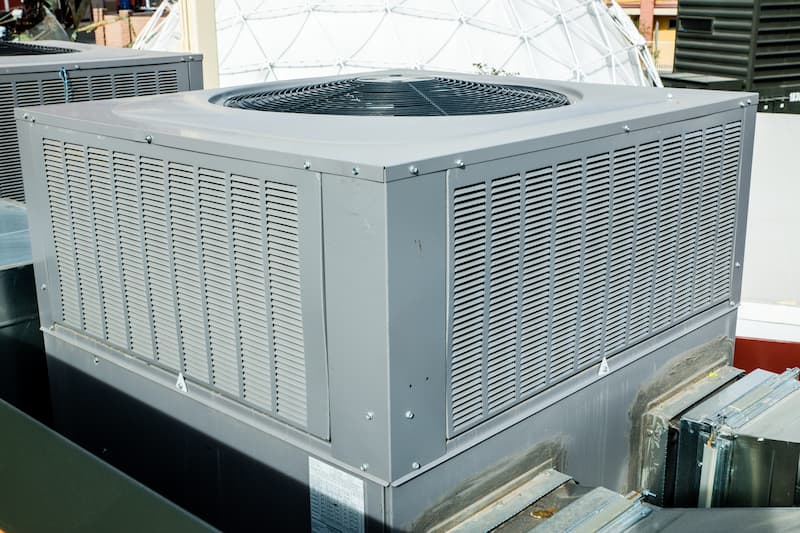
When energy bills climb fast at your office, restaurant, or retail space, the culprit is often hidden inside your HVAC system. This guide breaks down seven common issues we find in Wilmington’s coastal climate and how professional service solves them. If your building is running hot and your bills are higher than last year, it may be time to schedule commercial HVAC repair with a local team you trust.
Wilmington’s mix of salty air, heavy summer humidity, and long cooling seasons puts extra stress on rooftop units, split systems, and ventilation equipment. That stress shows up across Mayfaire, Downtown, Landfall, and the Port area as longer run times and sticky rooms. Understanding the root cause helps you protect comfort without wasting power.
Why Energy Use Spikes In Coastal Wilmington
From June through September, humidity loads rise and equipment runs longer to manage both temperature and moisture. Spring pine pollen and coastal salt particles cling to coils and sensors, which slows heat transfer and throws off readings. After summer storms, damp materials and blown-in debris can choke airflow. All of this adds up to higher kWh if your system is not tuned for local conditions or needs repair.
Problem 1: Economizers Stuck Open Or Misreading Sensors
Many commercial rooftop units use economizers to bring in cool outdoor air for “free cooling.” When dampers stick open or sensors drift, the unit can pull in warm, humid Wilmington air all day. That forces compressors to work harder and pushes humidity up inside.
What it looks like: cool mornings feel fine, but by early afternoon rooms are clammy and the system seems to run nonstop. A technician can test the outdoor air sensor, verify damper positions, and confirm proper minimum ventilation so your unit is not cooling the whole Cape Fear breeze.
Problem 2: Refrigerant Issues That Kill Efficiency
Low charge from a small leak, overcharge after a quick top-off, or mixed refrigerants can all wreck efficiency. Compressors run longer and hotter, and supply air never feels quite cold enough. In a busy kitchen on Market Street or a boutique on Front Street, that means comfort slips and bills climb.
Only certified pros should diagnose charge and leak sources. Running on a low charge risks compressor damage and can turn a small repair into major downtime for your business.
Problem 3: Airflow Restrictions In Filters, Ducts, And VAV Boxes
Air needs a clear path. Coastal dust, pollen, and salt can clog filters faster than you expect. Return grilles get blocked by storage. VAV or zone dampers stick and starve rooms of supply.
What it looks like: uneven temperatures from Ogden to Monkey Junction, louder-than-normal fans, and higher amp draw. A pro will measure static pressure, verify fan speeds, and make sure filters and dampers are right for your system, not just “what fit last time.”
Problem 4: Controls And Schedules Out Of Sync
Building automation systems are powerful, but small setting mistakes cost money. We often see occupied schedules running all night, simultaneous heating and cooling, or sensors hidden behind décor giving false readings.
What it looks like: an empty office on Shipyard Boulevard cooled to 70°F at 2 a.m., or a store that feels warm even though the thermostat says 72. A trained tech will review schedules, sensor placement, and lockouts so your system does not fight itself. Linking night setbacks to realistic Wilmington humidity targets helps too.
Problem 5: Dirty Coils And Heat Exchangers From Salt And Pollen
Sticky coastal particles coat condenser and evaporator coils. That film acts like a blanket, making each cooling cycle longer. Indoors, a coated coil can cause poor dehumidification, so rooms feel muggy even at the right temperature.
What it looks like: energy use rises week after week, yet comfort slips. Cleaning coils with the right process and confirming drainage prevents re-contamination and restores heat transfer. Pairing this with routine preventive HVAC maintenance keeps buildup in check before the peak season hits.
Problem 6: Fan Belts, Bearings, And Motors Driving Up Amp Draw
A slipping belt or worn bearings push fans out of their sweet spot. Motors work harder, airflow drops, and zones suffer. You may hear a squeal on startup or a low rumble that travels through the ceiling grid.
What it looks like: VFDs stuck at higher speeds than normal, higher-than-expected electric demand, and hot conference rooms even with long run times. A technician will check pulley alignment, tension, and motor health so the fan curve matches your building’s needs.
Problem 7: Ventilation Imbalance And Exhaust Fans Running 24/7
Too much outdoor air feels fresh, but it can flood your system with heat and moisture. Makeup air units, bathroom exhaust, and kitchen hoods need to be balanced with supply. If exhaust fans run nonstop in a small office near the Riverwalk, your system may be cooling the outdoors.
What it looks like: doors that are hard to open, whistling gaps, or persistent humidity even with long AC cycles. A pro will test pressure, verify fan interlocks, and dial in the right outside air for code and comfort without wasting energy.
Quick Clues Your Building Is Wasting Energy
- Indoor spaces feel humid or “sticky” even when the thermostat says the right temperature.
- Systems run late at night or early morning with no staff in the building.
- One side of the space is cold while the other stays warm and stuffy.
- Utility bills rise compared to last summer with similar hours and foot traffic.
How Professional Repair Cuts Costs Without Cutting Comfort
The fastest savings often come from fixing a few high-impact items. Cleaning coils, correcting economizer settings, and tightening up controls can shave hours off daily run time during a humid July stretch. Replacing failing belts and setting correct fan speeds can level out hot and cold spots without cranking down the thermostat.
If your team needs help after hours, this guide on emergency HVAC repair in Wilmington explains what to expect when you call and how we stabilize comfort before the next business day.
Local Context: What We See Most Around Wilmington
Restaurants near Wrightsville Beach often struggle with salty air corroding outdoor coils and hood exhaust pulling too much conditioned air out. Offices along College Road see controls drift after minor remodels or relocations. Retail spaces in Mayfaire fight pollen spikes that clog filters early each spring.
Small changes in schedules and ventilation can make a big difference in our climate. A targeted tune by a licensed HVAC tech trims wasted runtime without hurting indoor air quality. If you search for commercial hvac repair in Wilmington NC, make sure you choose a company that understands coastal humidity as well as cooling capacity.
What A Proper Commercial HVAC Repair Visit Includes
Every building is different, but a thorough visit will usually cover these checkpoints so nothing sneaks past:
- Economizer function tests and damper calibration to avoid over‑ventilating humid air
- Verified refrigerant charge and leak checks to protect compressor life
- Static pressure readings, filter fit, and zone damper operation to restore airflow
- Coil cleaning, condensate drain confirmation, and fan drive inspection
- Controls review for setpoints, schedules, and lockouts that match your hours
From downtown brick buildings to newer construction in Ogden, these steps bring systems back into balance. Skipping any one of them can leave savings on the table, especially in long Wilmington summers.
When To Call For Service
If humidity rises indoors, bills jump more than 10 percent year over year, or comfort complaints keep stacking up, it is time to bring in a pro. A short diagnostic often reveals two or three problems that explain most of the waste. You can book targeted commercial HVAC repair before peak season and stay ahead of the rush.
After repairs, staying consistent with preventive HVAC maintenance helps your system resist salt, pollen, and storm debris. That rhythm is your best insurance against surprise breakdowns when humidity is high and customers are in the building.
Ready To Rein In Energy Bills Without Sacrificing Comfort?
Wilmington businesses deserve cool, dry spaces that do not waste power. If your building feels off or your usage graph keeps climbing, schedule a professional evaluation with Spot On Air. Our licensed team focuses on airflow, controls, economizers, and refrigerant health so your system runs right. To talk with a specialist now, call 910-477-2287 or book trusted service through our page on commercial HVAC repair for local businesses.
Get Expert HVAC Services in Wilmington
Call Us Today!