
Commercial HVAC Maintenance Wilmington NC: Checklist for Coastal Buildings
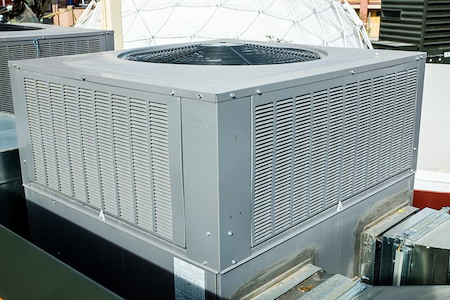
Coastal weather is tough on equipment. If you manage a building in Wilmington, NC, you already know salt air, storms, and long cooling seasons can wear down even the best systems. This practical checklist shows what a licensed technician should review on each visit, so your property stays comfortable, efficient, and reliable. For deep support from a local pro team, see our commercial HVAC services.
Choosing the right partner matters. When you are comparing providers, start with commercial HVAC maintenance in Wilmington, NC so you get help from a crew that understands coastal humidity as well as cooling capacity.
Why Coastal Wilmington Demands A Different Maintenance Plan
Buildings near the Cape Fear River, Downtown, and the beaches face year-round moisture, wind, and airborne salt. That mix speeds up corrosion, clogs coils faster, and can throw off sensors. Summer humidity also makes dehumidification just as important as temperature control. A good plan focuses on air movement, clean heat transfer surfaces, tight controls, and materials that resist salt.
Keep maintenance intervals short enough for our climate. Quarterly checks work well for most offices, retail, and restaurants from Mayfaire to Monkey Junction. Healthcare spaces or waterfront sites may need more frequent visits.
Quarterly Commercial HVAC Maintenance Checklist
Every property is unique, but a licensed technician should cover these high-impact items on a regular cadence. This protects comfort and helps control energy use during sticky coastal summers.
- Airflow and filtration: verify filter fit, MERV rating, pressure drop, and clear returns and supply paths.
- Coils and heat exchangers: inspect, clean as needed, confirm condensate drainage, and check for growth or debris.
- Economizers and ventilation: test sensors, damper movement, and minimum outside air settings for actual conditions.
- Refrigerant circuit: check superheat/subcooling targets, look for signs of leaks, and verify service valves and caps.
- Electrical and drives: inspect contactors, wiring, VFDs, belts, alignment, and bearing health.
- Controls and schedules: confirm occupied times, lockouts, and humidity setpoints match the way your building is used.
- Ducts and diffusers: check for leaks, hot or cold spots, and proper throw in open areas like lobbies or showrooms.
- Documentation: record readings, corrective actions, and parts at risk so the next visit is faster and more precise.
Rooftop Unit Maintenance Near The Coast
Rooftop units do the heavy lifting for many Wilmington businesses. They sit in full sun, handle sea breezes, and collect salt spray after storms. Your technician will focus on cabinet integrity, gasketing, and fasteners, since small gaps invite moisture that can corrode controls and fan sections over time. Fan belts, pulleys, and bearings also deserve close attention because corrosion can change tension and alignment between visits.
Ask for weather-resistant hardware and sealants rated for coastal use. If your RTUs are within sight of the Intracoastal or Wrightsville Beach, coil cleaning may need to happen more often during peak season. A light rinse is not enough when fins are coated with salt and pollen. Proper cleaning methods protect the coil while restoring heat transfer.
Salt-Air Corrosion Prevention Essentials
The best defense is a clean, dry surface. Your maintenance plan should include frequent coil inspections, protected electrical connections, and water-tight panel seams. Where appropriate, discuss protective options for coils and fasteners with your technician. Keeping outdoor cabinets sealed and dry helps prevent shorts, nuisance trips, and early failures.
Inside, watch for corrosion on terminal strips and sensors in humid zones like kitchens and laundry areas. Restaurants from Downtown to Wrightsville Beach also benefit from close review of makeup air and hood balance, since unbalanced exhaust can draw extra moist air into the building.
Local insight: After a tropical system or nor’easter, salt crystals can sit on condenser fins even if the unit looks clean from the ground. A timely post-storm service visit often prevents lingering humidity complaints and keeps energy use stable.
Humidity Control And Controls Tuning In Long Summers
Comfort in Wilmington is as much about moisture as temperature. If zones feel clammy, your system may be moving air but not removing enough moisture. A pro will verify coil cleanliness, check airflow against targets, and confirm the cooling cycle can run long enough to dehumidify without overcooling. Controls reviews often catch simple schedule errors that waste energy overnight or allow simultaneous heating and cooling.
For a deeper dive into what commonly drives energy waste in local buildings, this guide on top problems that spike energy bills explains why things like stuck economizers and dirty coils hit Wilmington businesses so hard.
Storm-Season Readiness For Coastal Businesses
When forecasts turn active, plan for a quick system check before and after the weather. Your technician can secure panels, confirm drains are clear, and verify that controls return to normal schedules once staff is back in the building. Power blips can leave systems in odd states. A fast post-storm visit catches tripped safeties, saturated filters, and standing water in pans that can cause odors later.
Restaurant And Retail Considerations
Kitchens add heat, grease, and moisture to the mix. Balancing hood exhaust with supply air is key so your HVAC is not pulling humid outside air through every crack. Where refrigeration is central to the operation, coordinate service so air conditioning, ventilation, and cold storage all work together. If you rely on walk-ins or ice, align your schedule with refrigeration service to reduce downtime.
Office And Medical Space Priorities
Open office plans and clinics along Shipyard Boulevard, College Road, and in Mayfaire need even airflow and quiet operation. Your technician will review diffuser placement and zone control so meeting rooms do not swing from cold to warm. For clinics, filter fit and pressure readings help protect air quality and reduce complaints during spring pollen spikes and late-summer humidity.
Build A Preventive Maintenance Plan That Fits Your Property
A strong plan is simple, scheduled, and tracked. Most Wilmington properties do well with visits in spring and fall, plus added summer attention for rooftop equipment within a few miles of the coast. The goal is stable comfort and fewer surprises, not a long checklist for its own sake. If you are setting up a plan for multiple sites, align visits with store hours and delivery windows to limit disruption. To get started with a plan designed for your building, review our commercial HVAC maintenance options.
- Tip: Keep a one-page log at each unit with dates, readings, and parts replaced. That history helps your tech spot patterns quickly.
- Coordinate preventive HVAC maintenance so warranties and safety checks never lapse during peak heat.
What Success Looks Like On Your Utility Bill
In coastal North Carolina, stable comfort with fewer hot or clammy complaints is the first win. The second is steadier energy use across humid stretches of July and August. When airflow, coils, and controls are dialed in, compressors cycle smoothly, fans do not fight blocked returns, and dehumidification stays on track. You should also see fewer emergency calls after summer storms because panels are sealed, drains are clear, and electronics stay dry.
If you track monthly usage at offices near Downtown or retail spaces in Ogden, look for gradual improvements after the first full season on a plan. Cleaning up the biggest issues early, then keeping them in check, is how buildings in Wilmington stay efficient over the long haul.
When To Call Spot On Air
Call in a pro when humidity will not settle, rooms feel uneven, energy spikes more than last year, or your rooftop unit is louder than usual. Do not wait for a full breakdown during a heat wave. A short visit now saves a long outage later. To book with a local team that works on offices, restaurants, and clinics across Wilmington, start here: commercial HVAC maintenance plan.
Prefer to read more first? Check seasonal tune-up advice tailored to our climate in this guide on getting systems ready for summer. When you are ready, call 910-477-2287 and a friendly coordinator will schedule a licensed technician at a time that fits your day.
Bottom line: coastal buildings need regular attention to airflow, coils, and controls. With a focused plan and the right partner, Wilmington facilities stay comfortable, efficient, and ready for whatever the weather brings.
Get Expert HVAC Services in Wilmington
Call Us Today!